Helion Energy’s Bold Move: Scaling Up Fusion Power Manufacturing

Everett, Wash. – Helion Energy is pursuing a multifaceted strategy, aiming not just to achieve fusion power, but to manufacture it on a commercial scale. The company is simultaneously developing its seventh-generation fusion prototype while constructing a large-scale manufacturing facility – dubbed Omega – near its headquarters in Central Washington.

Helion’s approach centers around building an assembly line to produce the thousands of capacitors needed to deliver massive electrical surges to its fusion generator. This production will fuel the Orion power plant, a 50-megawatt facility in Malaga, Wash. The facility will utilize both human workers and robotics, incorporating both off-the-shelf and custom technology to accelerate the manufacturing process.

‘Helion is a manufacturing company,’ said Sofia Gizzi, Helion’s senior manager of production. ‘It’s not an R&D company. It’s not a science experiment. It’s very much a manufacturing company.’

The Omega facility is crucial to Helion’s strategy, aiming to mitigate supply chain disruptions and quickly adapt to evolving design needs. This approach aligns with a broader effort to restore American production capacity, supported by the bipartisan Fusion Advanced Manufacturing Parity Act, spearheaded by Washington state congressional leaders. The company recently secured $425 million in investment from prominent firms including OpenAI CEO Sam Altman and Nucor.

Helion’s plan involves initially producing approximately 2,500 capacitor units for the Orion plant, with production slated to begin in late 2026. The scale-up is designed to support the construction of subsequent fusion generators, with the facility capable of operating at 50% of its design capacity or less while producing Orion units. Looking ahead to 2030, Helion anticipates a significant expansion in its manufacturing capabilities.

Arrived Raises $27 Million to Revolutionize Real Estate Investing

Seattle-based tech startup Arrived has secured $27 million in new funding to fuel its innovative platform, dubbed a ‘stock market’ for rental properties. This latest round was led by Neo, with significant backing from Forerunner Ventures, Bezos Expeditions, Core, and other prominent investors. Total funding for Arrived now exceeds $60 million.

Arrived’s platform allows everyday investors to purchase fractional shares of single-family rental homes and vacation rentals, starting with as little as $100. It provides an alternative route to real estate exposure without the complexities of traditional mortgages or property management. The company handles all aspects, from property acquisition and financing to renovations and tenant relations.

Investors can acquire shares through the Arrived website, receiving quarterly dividends from rental income plus a share of any property appreciation after a multi-year holding period. Since its launch in 2019, the platform has attracted nearly 900,000 registered investors who have invested over $340 million.

Key milestones include the distribution of more than $55 million and the funding of over 550 properties across 65 markets within the United States.

This week, Arrived announced the launch of its Secondary Market – a peer-to-peer marketplace enabling investors to directly buy and sell shares of rental homes. This market, introduced earlier this year, saw over 57,000 buy and sell orders within its first three weeks.

‘We believe real estate investing is going to move online,’ stated Ryan Frazier, co-founder and CEO of Arrived. ‘Our vision is a future where real estate investing feels just like investing in public companies – where anyone can buy and sell shares of properties in minutes, not months.’

Arrived generates revenue through various fees associated with property acquisition and management. Notably, they launched the ‘Seattle City Fund’ earlier this year, offering targeted exposure to a single metropolitan area’s housing market.

The company operates within a broader trend of tech companies applying fintech, crowdfunding, and fractional-ownership models to residential real estate, competing with firms like Landa and Lofty. Despite the innovation, concerns remain regarding the potential impact on affordability due to increased investor demand.

Notable investors include Marc Benioff (Salesforce CEO), Spencer Rascoff (Match Group CEO), and Dara Khosrowshahi (Uber CEO).

Seattle entrepreneur shares startup lessons from her experience making an indie film

At first glance one might think a tech startup and a feature film are worlds apart. Yet, as it happens, bootstrapping and building a tech company and producing an independent feature film are surprisingly similar. This was something that surprised me as I pivoted from startup CEO to movie producer. What can you learn from this? Your skills may be more transferrable than you thought, grit matters a lot, as do equal doses preparedness and luck.Years after co-founding Wellpepper, a digital health startup, I produced This Bloody Country, an independent feature film, and I had expected the two experiences would be completely different. At their core, both start with a unique idea and a small team, naïve and determined enough to believe they can pull it off. The risks are high and many never make it. However, it turns out a surprising number of the fundamentals are the same. It all starts with an idea. Every startup and every film begins with a spark. For a startup, it’s a problem worth solving. For a film, it’s a story that needs to be told.

At Wellpepper, the spark was helping patients manage care outside the clinic. For This Bloody Country, it was creating a Western from a perspective that hadn’t been seen before: a religious family of mostly women and children defending themselves in 1860s Utah Territory.You build a founding team. The best early teams have some relevant skills and just enough hubris to believe they can figure out the rest.For Wellpepper, the founding team was CTO Mike Van Snellenberg and me. Neither of us came from healthcare. We were technologists who believed we could apply product and design thinking to improve patient experiences. That outsider perspective became an advantage when we asked naïve questions, challenged assumptions, and moved faster than people who “knew” how things were supposed to work. For This Bloody Country, the founding team was writer/director Craig Packard and me. We didn’t have studio backing, but we had a shared creative vision and the stubborn optimism to figure it out as we went. We had an award-winning script, written by Craig. We sought out diverse opinions on the characters, setting, and historical period, and pressure tested how the page would translate to screen by putting ourselves in the eyes of the audience. In both cases, we started by ideating on how to make the idea real — sketching, testing, and adjusting until we found something that resonated. Then we needed to figure out how to get it done with a business plan that was encapsulated in a pitch deck. Next step was to find people who believed in our shared vision and were willing to invest. While Wellpepper was a C-corp, and the movie an LLC, both were designed as investment vehicles with cap tables. In startups, you’re promising a future that doesn’t exist yet. In film, you’re selling a story that hasn’t been made. The ability to convey “why this, why now, and why us” determines whether you find your first investors.

You need to be ready to take advantage of luck. Luck is when preparation meets opportunity, and we had early lucky encounters with both projects. For Wellpepper, we met Dr. Terry Ellis from Boston University when all we had was a prototype. Dr. Ellis, an expert in Parkinson’s disease, was studying how care outside the clinic could help slow the progression of the disease and became one of our first research partners. That collaboration resulted in two randomized controlled trial studies (one also in collaboration with Dr. Jonathan Bean from Harvard), and publications in peer-reviewed journals — powerful validation that our product actually improved outcomes. For This Bloody Country, our lawyer’s extended family happened to serve on the board of Deer Springs Ranch in Kanab, Utah — which became our primary filming location. The incredible vistas offered million-dollar backdrops to our movie. We also could not have made the film without the help of his extended family: our lawyer’s sister-in-law, an expert in period costumes, was our costume designer, and his brother-in-law served as armorer, art department, and even played a bandit.Sometimes good timing and luck show up disguised as coincidence. What matters is being ready to recognize opportunity when it knocks.Beginner’s mind helps you recognize patterns. Many people in both industries told me it couldn’t be done. In healthcare, experts warned that startups couldn’t navigate the complexity of clinical systems. In film, veterans said making an independent feature wasn’t anything like running a startup. They were right — and wrong. The details are different, but the patterns are the same. Both require solving complex, human problems with limited resources and incomplete information.Approaching each challenge with a beginner’s mind — curious, open, and unconstrained by “how it’s always been done” — was essential. The key is not assuming you know the answer but recognizing familiar shapes in new contexts: building a vision, assembling a team, creating a project plan, and delivering a product to a customer or audience. In both startups and films, you must hire quickly, fire carefully, and align people around the mission. You look for collaborators who can thrive in ambiguity, bring specialized expertise, and check their ego at the door. Whether it’s an engineer or a cinematographer, success depends on people who believe in the vision and are willing to do what it takes to get the job done.

The ability to translate experience across domains — without assuming they’re identical — is what made both ventures work. You can’t import the playbook, but you can import the mindset.Bootstrap before you scale. It’s often said that a CEO needs to wear all hats before they hire them, they won’t be the best at the role, but will lead better when the role is filled by an expert. In a startup or indie film, founder or producer; you’re the marketer, accountant, and sometimes the one hauling gear or answering the tech support hotline.You learn to do more with less, to make trade-offs, and to keep momentum alive even when there’s no money left in the budget. You’ve got to be okay asking for favors and negotiating. In general, people want to help, and you’d be amazed at what you might get if you ask. Iteration, testing, and refining. There’s a saying in startups that if you’re not embarrassed by your first product release, you waited too long to ship. The same can be said for getting a rough cut of a film in front of trusted viewers. For both though, you have to be strong in your vision to explore any feedback that indicates that there may be a problem. In both the startup and the movie if something was confusing to the end-consumer, that was an indication that we needed to iterate and provided the north star for making changes.Headwinds vs tailwinds. As Mike Tyson said, “Everyone has a plan until they get punched in the face.” Both paths are defined by risk, and can benefit from, or be challenged by factors outside of your control. Competitors get press or funded, a very similar film or genre succeeds or flops. Regulatory changes offer benefits or drawbacks. Wellpepper was helped by value-based care initiatives which provided tailwinds. The film faced some additional costs due to COVID-related regulations while we were screening. You wake up every morning knowing the plan may not survive the day. Being able to pivot and having resilience are key to getting it done. It’s harder to do it in Seattle. When we started Wellpepper, we were turned down by a lot of VCs because we weren’t in Silicon Valley. There were essentially only two VC firms in town. We were told to move. We didn’t, and that probably made it harder, but it also paved the way for many more digital health startups in town. Similarly, it probably would have been easier to get a movie made in L.A. where the primary industry is showbiz, but we found a small, committed group of people here (shout out to our executive producers and camera department) and quietly made something outside of the system. What founders and filmmakers can learn from each otherDon’t index on the outliers. We’ve all heard the overnight success stories: the film that had a bidding war at a big festival, the startup that came out of nowhere and was aquired by a big tech company. The reality is that most people toil for a long time before you hear of them. That film script might have been on the shelf for years. The startup might have pivoted from something you hadn’t heard of. Build what you believe in for the customer you want to serve, and try not to pay attention to the seemingly quick wins others are getting. Think about distribution from the beginning. How is your product going to get to the customer? How will they hear about it? Where will they get it? Putting an app in the app store or a video on a streaming platform is really only the first step of distribution. While most film is now digital, there are still distributors that facilitate getting the content to all the places it can be streamed (which often have different format requirements or submission guidelines). While there are outlets such as FilmHub that enable self-distribution, rising above the noise often requires help from a third party, just like software. Build a team for the long run. The team will make or break your project, and while we all like to think success will be quick, you may be working with these folks over a long period. You’re going to be having long nights, and need to pull off miracles with this team. Hire people that you would hire again and again whether that’s for your next creative project, your next startup, or building a team within a big company if you decide to go that route. Learn how to tell stories. Storytelling coupled with passion convinces people. Whether pitching investors or distributors, clarity and emotional resonance are your most powerful tools. When this comes through in your product or your film, it connects with your users and audiences. Start measuring early — whether that’s clicks, social media mentions, Kickstarter supporters. Showing that there is a market for your product or for your film requires data. Data is a key part of the storytelling that convinces people.Be ready for luck. Be prepared (or know when to drop everything to prepare) to take advantages of opportunities when they present themselves. Getting more traction than you expected is a solvable problem. Don’t be afraid to scale. Creating something out of nothing is an act of optimism. Sticking with it is an act of grit. The data back this up: roughly 90% of startups fail, and about 97% of independent films don’t recoup their investment. Wellpepper was among that small group of startups that achieved a successful exit when it was acquired in 2020, which gave me the confidence to take on the film challenge. This Bloody Country has not finished its journey yet, but it has been picked up by Quiver Distribution, is receiving audience praise, and is available to buy and rent on most streaming platforms. At the end of the day, both journeys are about creating impact, whether for a patient empowered to manage their own health, or an audience thrilled and moved by a story. And in both worlds, the real victory isn’t just the exit or the box office — it’s gathering an incredible group of people to build an idea into something tangible to share with the world.”
Cadence поглинає ChipStack для прискорення автоматизації проектування чипів

Semiconductor software giant Cadence Design Systems оголосила про придбання ChipStack, Seattle-based startup, що розробляє інструменти на базі штучного інтелекту для прискорення перевірки та проектування чипів.

ChipStack з’явилася з Seattle’s AI2 Incubator у 2023 році та залучила понад 7 мільйонів доларів.

Startup створила AI-powered агенти, які автоматизують перевірку чипів – традиційно один з найбільш трудомістких етапів у проектуванні напівпровідників.

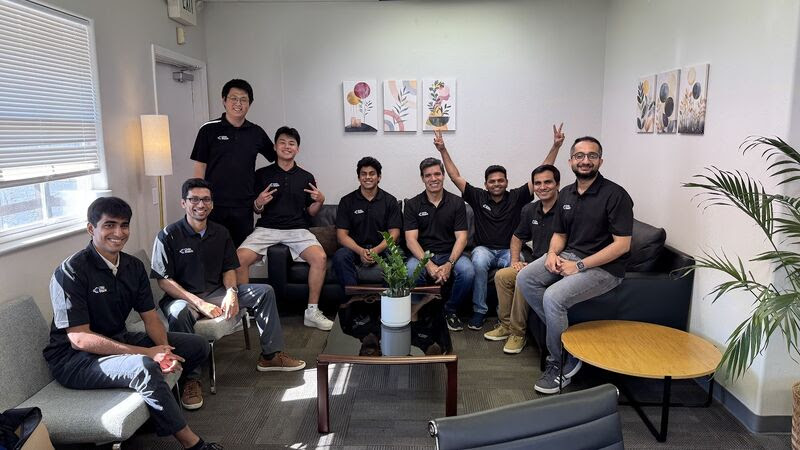
Уся 20-омісна команда приєднається до San Jose, Calif.-based Cadence, яка стверджує, що ця операція зміцнить її можливості з верифікації на базі штучного інтелекту.

Cadence та ChipStack раніше співпрацювали над різними інтеграціями.

Фінансові деталі не розголошуються, але інвестори бачать сильний прибуток від угоди, за словами речника ChipStack.

Інвесторами компанії є AI2 Incubator, Khosla Ventures, Cerberus Capital Management, Clear Ventures та інші ангели.

CEO та співзасновник ChipStack Kartik Hegde отримав PhD у галузі комп’ютерних наук від University of Illinois у 2022 році та проходив стажування у Meta та NVIDIA. Він заснував ChipStack разом з CTO Hamid Shojaei, який раніше працював у Lightmatter, Google та Qualcomm.

«Зі зростанням впровадження продукту ChipStack, так само зросла і наша амбіція та бачення», – написав Hedge в LinkedIn. «Коли з’явилася можливість приєднатися до Cadence, було зрозуміло, що це найкращий спосіб донести наш продукт до ширшої аудиторії, одночасно прискорюючи розширення функціоналу».

Jacob Colker, managing director at AI2 Incubator, описав засновників як «елітних AI-фахівців, які будують наступне покоління компаній — глибокий технічний досвід, що зустрічається з реальним впливом».

«Вони створили агенційний AI, який вирішує один з найбільших вузьких місць у проектуванні чипів, прискорюючи перевірку на 70%», – він зазначив у заяві. «Це саме той вид застосованого AI-інновацій, який визначає цю нову еру підприємництва».

Kymeta Appoints New CEO to Fuel Defense Operations Expansion

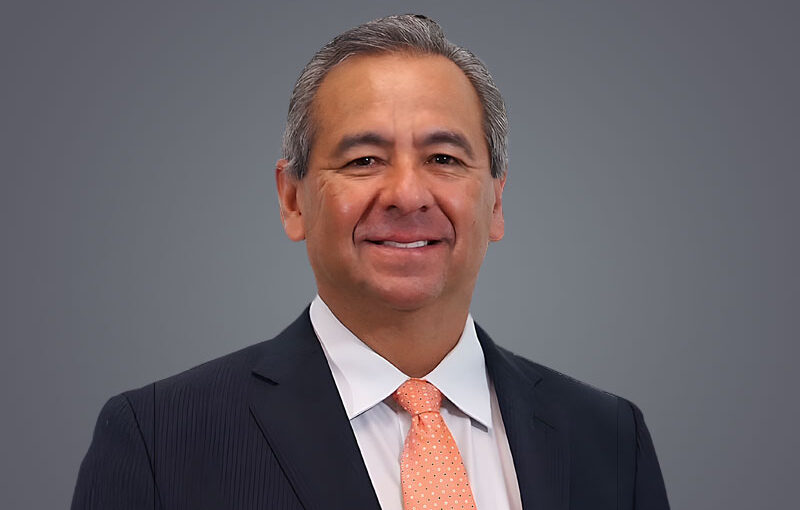
Redmond, Washington-based Kymeta, a specialist in mobile satellite communications, has appointed Manny Mora as its new president and CEO, effective immediately.

Established in 2012 with investment from Microsoft co-founder Bill Gates, the company is significantly increasing its focus on providing services to the U.S. Department of Defense and allied military forces.

Mora brings almost four decades of experience from General Dynamics Mission Systems, where he oversaw the company’s partnerships with the Department of Defense, the intelligence community, and the U.S. Department of Homeland Security.

‘As the defense community modernizes its command-and-control infrastructure, Kymeta is ideally positioned to deliver mobile SATCOM solutions designed for the most challenging environments,’ stated Nicole Piasecki, chair of Kymeta’s board of directors. ‘Manny Mora’s operational expertise and strategic vision will be crucial in expanding our impact and solidifying our role as a reliable partner for national security clients,’ she added.

Kymeta is benefiting from trends reshaping the aerospace and defense sector, including advancements in software systems, autonomous platforms, satellite communications, and artificial intelligence.

Recently, Kymeta was selected by the U.S. Army as the provider of multi-orbit satellite communications for its Next Generation Command and Control pilot program. The initiative utilizes the company’s Osprey u8 terminal technology to provide connectivity for military personnel.

‘Our innovative technology is already transforming how defense and government customers communicate across various domains,’ Mora commented.

Manny Mora succeeds Rick Bergman, formerly a vice president at AMD, who served as CEO from April 2024.

Kymeta’s technology utilizes metamaterials to create steerable antennas controlled by software, eliminating mechanical components. These hybrid cellular-satellite terminals enable communications in areas difficult to reach, a key interest for defense clients.

The company also offers technology for emergency services, maritime operations, wildfire-fighting, and other specialized applications. Kymeta secured $84 million in funding in 2022, bringing total investment to nearly $400 million to date.’

Expedia Відстежує Вплив Урядового Закриття та Зростання Прибутків

Expedia уважно слідкує за потенційними перебоями, спричиненими поточним урядовим закриттям у США, а також пов’язаними з ним скасуваннями рейсів, які замовлялися FAA.

«Ми дуже уважно стежимо за урядовим закриттям», – заявив Скотт Шенкель, головний фінансовий директор Expedia, під час засідання з результатами компанії Thursday. Шенкель зазначив, що Expedia звичайним чином враховує такі невизначеності при формуванні прогнозів, особливо в нестабільних умовах. Авіаперельот є відносно невеликою частиною бізнесу компанії – близько 101 мільйона доларів США у минулому кварталі.

Акції Expedia зросли майже на 20% у п’ятницю після того, як компанія перевищила очікування щодо свого третього кварталу, повідомивши про зростання виручки на 9% до 4,41 мільярда доларів США та скориговану прибутковість на акцію 7,57 доларів США. Компанія підняла своє керівництво на весь рік.

«Ринок був здоровим у звітному кварталі з прискоренням зростання в США та подальшою міцністю у решті світу», – заявила CEO Expedia Аріане Горін на засіданні з результатами. «Ми бачили збільшення тривалості перебування та тривалість термінів бронювання, обидва показники свідчать про сильнішого споживача».

Горін, яка перебуває у своєму першому році на посаді керівника Expedia, відзначила «видатний квартал» для бізнесу B2B компанії. Вона також зазначила, що «AI-driven пошук трансформує спосіб, яким мандрівники дізнаються та планують свої подорожі», і згадала партнерства з Google, OpenAI та Perplexity.

«Ми рухаємося швидко та свідомо, щоб забезпечити те, щоб наші бренди відображалися скрізь, де мандрівники знаходяться», – сказала вона.

Шенкель зазначив, що ШІ також допомагає внутрішньо: «Наші віртуальні агенти вирішують понад 50% запитів мандрівників. І коли потрібна підтримка людини, вони надають лаконічні підсумки агенту, зменшуючи нашу вартість обслуговування на транзакцію», – сказав він.

Горін заявила, що компанія залишається впевненою, переходячи у фінальний квартал року. «Хоча ми бачили подальший імпульс у жовтні, ми уважно стежимо за економічними показниками та залишаємося зосередженими та гнучкими серед динамічного макросередовища», – сказала вона.

Clio Оцінений у 5 мільярдів доларів після придбання vLex

Ванкувер, Британська Колумбія – Legal tech компанія Clio завершила придбання vLex за 1 мільярд доларів, повідомили в понеділок. Завершення угоди, яка оголосила у червні, відбувається одночасно з закриттям раунду інвестицій Series G на 500 мільйонів доларів для Clio, що оцінює компанію в 5 мільярдів доларів. Інвестиції здійснювалися під керівництвом New Enterprise Associates, а також TCV, Goldman Sachs Asset Management, Sixth Street Growth та JMI Equity.

Clio, заснована у 2008 році, обслуговує тисячі юридичних фірм, які використовують її програмне забезпечення для управління своїм бізнесом та відносинами з клієнтами. vLex поєднує свій AI для досліджень та складання документів, під назвою Vincent, з комплексноююю глобальною юридичною бібліотекою.

Clio керується CEO та співзасновником Джеком Ньютоном, автором та ведучим подкасту, який також є співзасновником Legal Cloud Computing Association. «З vLex, що тепер є частиною Clio, та понад 350 експертами в галузі права, даних та технологій, що приєдналися до нашої команди, ми поєднуємо найкращі розуми та найкращі інструменти для створення найпотужнішої платформи юридичного інтелекту», – сказав Ньютон у офіційному повідомленні.

Clio має 2000 співробітників по всьому світу, переважно в США та Канаді, з більш ніж 450 у штаб-квартирі в Ванкувері та 12 у штаті Вашингтон. Харша Чандра Шекер, віце-президент з розвитку бізнесу Clio, базується в Сіетлі.»

Найновіші технологічні та стартап-новини: аналіз тижня GeekWire (2-12 листопада 2025)

Отримайте найсвіжіші технологічні та стартап-новини: аналіз найпопулярніших історій на GeekWire за тиждень з 2 по 12 листопада 2025 року.

Дослідники з лабораторії лауреата Нобелівської премії Девіда Бейкера при Університеті Вашингтона успішно використали ШІ для розробки антитіл з нуля.

Після закінчення магістратури з підприємництва при Університеті Вашингтона, Адріенна Чан не могла відмовитися від бажання розпочати власний бізнес.

Редакторська примітка: Цей стовпець написаний Робертом Трамбулом, письменником з Сіетла, який пише про етику технологій.

Сеатлський стартап, який захопив світ домашнього рукоділля у 2015 році, страждав від скорочень та інших проблем у останні роки.

Amazon офіційно представила новий «магазин у магазині» у Whole Foods Market на знак Філадельфії, об’єднавши натуральні та органічні продукти харчування з національними брендами завдяки системі замовлень через додаток та робочому обслуговуванню.

Марісса Коуллінз не має інтересу до того, щоб використовувати ШІ для написання книг або створення обкладинок, що стоять на її полицях, але вона вірить у те, що технології можуть допомогти в задній частині бізнесу.

Сеатлський біотехнологічний стартап, народжений з лабораторії лауреата Нобелівської премії, отримав 12,7 мільйонів доларів та партнерства з фармацевтичними гігантами Pfizer та Kite Pharma, використовуючи ШІ для проектування білків, які здійснюють багатогранний напад на хвороби.

Smartsheet призначив нового заступника генерального директора, AWS-екsekutв покинув свою посаду для агентичного ШІ стартапу, WatchGuard призначив CEO, і інші технологічні переміщення.

Philips Ultrasound звільнив 33 співробітників із свого боталейського, штат Вашингтон, центру, який є центром виробництва ультразвукових пристроїв та інших медичних пристроїв.

Голосові окуляри з ШІ допомагають працівникам робити фотографії або записувати відео, проводити інспекції та спілкуватися безпечно, тримаючи руки вільними.

Amazon Розширює Сервіс Haul та Запускає Шопінг-Івент, Обмежуючи Конкуренцію з Temu та Shein

Шостий місяць після запуску Amazon Haul, компанія розширює цей сервіс з низькими цінами по всьому світу, посилюючи виклик Temu та Shein, особливо в умовах змін у торгових політиках США.

Сервіс, який спочатку стартував у США, тепер доступний у 25 країнах та регіонах, а Haul було перейменовано на “Amazon Bazaar” у багатьох з цих ринків.

Щоб відсвяткувати річницю, Amazon офіційно виводить Haul з режиму бета-тестування та проводить дводенний шопінг-івент 10 та 11 листопада. Компанія заявляє, що на першому дні акції будуть на ціну $1, а на другому – “приховані скарби” за 11 центів.

Ці кроки в контексті того, що Temu та Shein, які першими популяризували цей формат онлайн-шопінгу, стикаються з наслідками рішення США щодо скасування звільнення від мита для товарів менше ніж на $800.

Раніше політика дозволяла безмитно отримувати посилки з Китаю до США, якщо їх вартість не перевищувала $800. Amazon активно використовує свою мережу складів у США для доставки замовлень Haul, що допомагає мінімізувати вплив тарифів на прямі поставки з Китаю.

Haul пропонує окремий магазин, де можна знайти товари, які зазвичай коштують менше $20, а багато з них – менше $10. Спочатку сервіс був доступний лише через мобільний додаток, але тепер він також доступний через вебсайт. Зазвичай замовлення прибуває через 1-2 тижні.

Amazon повідомляє, що відвідування магазину Haul зросло втричі з червня, а кількість товарів у виставці збільшилася майже на 400% за останній рік. Компанія також пропонує знижки: 5% на замовлення від $50 та 10% на замовлення від $75.

Amazon Music Розширює Можливості для Фан-Спільнот з Новою Функцією ‘Fan Groups’

Amazon Music запускає нову функцію – “Fan Groups”, призначену для об’єднання шанувальників музики та сприяння відкриттю, обміну та обговорення музики, рекомендованої однодумцями.

Початок тестування функції відбувається в Канаді на платформах iOS та Android, повідомила Amazon у понеділок.

Завдяки створенню спеціалізованих спільнот, функція “Fan Groups” надає слухачам можливість прослуховування, відкриття та обміну контентом, не покидаючи додатка Amazon Music.

Шанувальники можуть досліджувати та створювати групи, обговорюючи у них виконавців, пісні, жанри та інші теми. Ці групи відкриті та можуть бути створені самими виконавцями, які прагнуть налагодити зв’язок зі своїми шанувальниками.

Під час першого запуску тестування було створено та заповнено кілька активних груп різноманітних музичних інтересів, включаючи інди-рок, кантрі, K-pop та плейлисти для тренувань, за повідомленням Amazon.

Функція “Fan Groups” планується запустити для клієнтів у США та інших світових ринків на наступному році.