Колишній фінансовий директор стартапу виправданий у злочині з шахрайством з криптовалютою

Колишній фінансовий директор на одному з колишніх е-комерційних стартапів з Сіетла, Fabric, виправданий у чотирьох злочинях шахрайства з використанням електронних грошей на суму близько 35 мільйонів доларів.

Невін Шетьї, 41 рік, з Мерсер-Айленд, штат Вашингтон, був визнаний винним 7 листопада, після дев’ятиденного судового процесу, згідно з офіційним повідомленням прокуратури США для Західного округу Вашингтон.

«Цей підозрюваний використав своє становище влади та довіри, щоб отримати вигоду від свого злочину, а потім брехав, щоб приховати це», – сказав прокурор США Ніл Флойд у заяві.

Шетьї приєднався до Fabric як фінансовий директор у березні 2021 року. Компанія, яка перенесла свою штаб-квартиру з Сіетла до Сан-Франциско минулого року, залучала капітал на той час, і Шетьї допоміг скласти політику щодо інвестування залучених коштів обережно, поки компанія працювала над розвитком свого бізнесу.

Прокурори стверджують, що Шетьї перенаправив кошти на початку 2022 року на свою криптовалютну бізнес-структуру HighTower без дозволу. Хоча він допоміг створити політику компанії, що обмежує інвестиції в низькоризикові рахунки, він таємно переніс гроші на високодохідні децентралізовані фінансові платформи, які обіцяли 20% прибутків.

Згідно з даними, план Шетьї полягав у тому, щоб платити своєму роботодавцю 6% відсотків і зберігати решту прибутків через HighTower. В перший місяць він і партнер зробили приблизно 133 000 доларів, але до травня 2022 року криптовалютні інвестиції збанкрутували, стерши майже всі 35 мільйонів доларів.

Після зізнання перед колегами Шетьї звільнили, і компанія повідомила про крадіжку до ФБР.

Шетьї було заарештовано в травні 2023 року.

Журі провело близько 10 годин, щоб дійшли до вироку про вину. Суддя Тана Лін запланувала судовий розгляд 11 лютого 2026 року. Шахрайство з використанням електронних грошей може каратися до 20 років ув’язнення.

Blue Origin’s New Glenn Achieves Booster Recovery, Paving the Way for Mars Mission

Jeff Bezos’ Blue Origin space venture achieved a significant milestone today with the successful recovery of its New Glenn rocket booster during the launch of the Escapade probes destined for Mars. This marked a crucial step in the company’s efforts to compete with SpaceX and represented the first-ever successful recovery of a New Glenn booster.

The launch, which occurred from Cape Canaveral Space Force Station in Florida, followed several attempts due to cloudy weather and a solar storm. The mission’s primary goal is to deploy twin robotic spacecraft – the Escapade probes – to study Mars’ magnetic field, atmosphere, and ionosphere. The name ‘Escapade’ is an acronym for ‘ESCApe and Plasma Acceleration and Dynamics Explorers’.

A key element of the mission involved recovering the New Glenn booster, nicknamed “Never Tell Me the Odds,” which successfully splashed down in the Atlantic Ocean. Blue Origin team members celebrated the achievement, including Jeff Bezos at Mission Control. The probes are equipped with sophisticated hardware for ViaSat’s HaloNet telemetry relay service, testing an alternative to NASA’s TDRS system.

The Escapade probes will follow a looping trajectory, including an Earth flyby in a year, with a planned arrival at Mars in 2027. Scientists, led by Robert Lillis at UC-Berkeley, believe the data gathered will be crucial for future crewed missions to Mars and for understanding the planet’s climate evolution, including the process of atmospheric escape.

Blue Origin plans to utilize the “Never Tell Me the Odds” booster again, launching an uncrewed Blue Moon Mark 1 lander to the moon’s south polar region in the coming months.

Seattle’s Hardware Heartbreak: A Recurring Pattern of High Hopes and Hard Landings

Editor’s Note: GeekWire co-founders Todd Bishop and John Cook created this column by recording themselves discussing the topic, asking AI to draft a piece based on their conversation, and then reviewing and editing the copy before publishing. Listen to the raw audio below.

If we look out GeekWire’s office window right now, down at Seattle’s Burke-Gilman Trail, we can practically guarantee one thing: if we wait 5 minutes, at least one Rad Power Bike will zip past. Probably more. They are ubiquitous — the “Tesla of e-bikes” that seemed to redefine urban transport during the pandemic.

But that physical prominence masks a brutal business reality. In the last few weeks, the Seattle tech scene has been rocked by two stories that feel like different verses of the same sad song, as documented by GeekWire reporter Kurt Schlosser. First, Glowforge — the maker of high-end 3D laser printers — went into receivership and was restructured. Then came the news that Rad Power Bikes might be forced to close entirely.

We’ve each covered the Seattle region’s tech ecosystem for around 25 years, and if there is one enduring truth in the Pacific Northwest, it is that hardware is not only hard, as the old saying goes, but for some reason it seems harder here.

It is naturally harder to manipulate atoms than digits. If Windows has a bug, Microsoft pushes an update. If a Rad Power Bike has a busted tire or a faulty component, you can’t fix it with a line of code. You need a supply chain, a mechanic, and a physical presence.

But the struggles of Rad and Glowforge go beyond the physical manufacturing challenges. They are victims of two specific traps: the quirks of the pandemic and the curse of too much capital.

Both companies were born before the pandemic, but they boomed during it. When the world locked down, the thesis for both companies looked invincible. We were all sitting at home in our PJs, desperate for a hobby — so why not buy a Glowforge and laser-print trinkets? We were wary of public transit and looking for recreation — so why not buy an e-bike?

Many tech companies, including giants like Amazon and Zoom, bet big that these behavioral changes were permanent. They weren’t. And we are seeing some of the indigestion of that period play out with massive layoffs at tech companies that got too big, too fast during the pandemic years. The world went back to normal, or at least found a new normal, but in the meantime these companies had scaled for a reality that no longer exists.

Then there is the money. In 2021, Rad Power Bikes raised over $300 million. When you raise that kind of cash, you are no longer allowed to be a nice, profitable niche business. You have to be a platform. You have to be a world-changer. Rad tried to build a massive ecosystem, including direct-to-consumer retail stores and mobile service vans to fix bikes in people’s driveways.

Building a physical service network is agonizingly expensive. Had they raised less and stayed focused on being a great bike maker, we might be having a different conversation. But venture capital demands a “Tesla-sized” outcome, and that pressure can crush a consumer hardware company.

History tells us we shouldn’t be surprised. Seattle has a painful relationship with consumer hardware. We’ve got one word for you: Zune. Or how about the Fire Phone? Or Vicis, the high-tech football helmet maker that crashed and burned. For those with long memories, the current situation rhymes with the saga of Terabeam in the early 2000s. They raised over $500 million to beam internet data through the air using lasers. It was a B2B play, not consumer, but the pattern was identical: massive hype, massive capital, and a technology that was difficult to deploy in the real world. They eventually sold for a fraction of what they raised.

We still love seeing those bikes on the Burke-Gilman. But in this economy, with inflation squeezing discretionary spending, $1,500 e-bikes and $4,000 laser printers are a tough sell.

Seattle may be the cloud capital of the world, but when it comes to consumer hardware, we’re still learning that you can’t just download a profit margin.

Valve’s Bold Move: New Hardware Projects Challenge Microsoft and Meta

Valve Software is making a significant move back into the hardware market with a new line of Steam Hardware products, posing potential challenges to industry giants like Microsoft and Meta. The strategy includes a new Steam Machine designed for living room play, a high-durability Steam Controller, and the Steam Frame, an all-in-one VR headset.

The Steam Machine, theoretically offering a similar experience to the successful Steam Deck, aims to deliver a powerful computing experience without physical media, running entirely on digital downloads from Steam libraries. Crucially, it’s not a Windows product, aligning with Valve’s long-standing goal of promoting PC gaming on Linux.

Meanwhile, the Steam Frame directly competes with Meta’s Quest VR hardware, offering a comparable standalone VR headset to challenge Meta’s dominance in the VR space. Valve’s approach appears driven by a desire to provide a viable alternative to Meta’s Horizon setup, addressing concerns about data privacy and a centralized user experience.

With the Steam Machine and Steam Frame positioned with affordability in mind, Valve could disrupt several areas within the gaming industry and present consumers with alternatives to Microsoft’s Xbox and Meta’s VR offerings.

Cisco Розширює Інвестиції в Генеративний Штучний Інтелект Завдяки Придбання Бізнесу NeuralFabric

Cisco оголосила про намір придбати NeuralFabric, стартап з Сіетла, заснований групою колишніх співробітників Microsoft, який розробляє програмне забезпечення для створення та запуску власних генеративних моделей штучного інтелекту. Конкретні фінансові умови угоди не розголошуються.

Ця операція підсилить ініціативу Cisco AI Canvas – середовище генеративного інтерфейсу та співпраці, яка була представлена на початку цього року.

Підкреслюючи досвід NeuralFabric у розповсюджених системах, навчанні моделей та гнучкому розгортанню, Cisco виділяє це як доповнення до свого існуючого AI-асистента, моделей кібербезпеки та стратегії даних.

DJ Sampath, віцепрезидент з програмного забезпечення та платформ AI, заявив, що стартап «розкрив вирішальний елемент цієї головоломки», створивши технологію, яка дозволяє компаніям розробляти власні дрібні мовні моделі, використовуючи власні дані в хмарі або на власних обчислювальних ресурсах.

NeuralFabric, розташована в Редмонді, була заснована у 2023 році колишнім інженером Microsoft Azure Weijie Lin (CEO), колишнім виконавчим директором Microsoft John deVadoss, підприємцем в галузі AI Jesus Rodriguez (president) та ветераном хмарних та безпекових технологій Mark Baciak (CTO), а також колишнім директором Microsoft Drew Gude (chief revenue officer) також вказаний як ранній виконувач.

Станом на оголошення у березні 2024 року, стартап зібрав не менше 5 мільйонів доларів інвестицій. Інвесторами є Collab+Currency, CMT Digital та New Form Capital.

Amazon Leo: Нова Ера Супутникового Інтернету

Amazon змінює назву свого амбіційного проекту розширення глобального доступу до високошвидкісного інтернету. Project Kuiper тепер відомий як Amazon Leo.

Seattle-based tech giant оголосив про перейменування свого супутникового проекту broadband у середині розгортання обладнання, яке його живитиме.

Leo є посиланням на “низькоорбітальну орбіту”, де Amazon досі запустив більше ніж 150 супутників як частина констеляції, яка зрештою включатиме понад 3 200 одиниць.

У блоговому пості Amazon зазначив, що 7-річний Project Kuiper почався “з невеликою кількістю інженерів і кількома схемами на папері” і, як і більшість ранніх проектів Amazon, програмі знадобився кодний ім’я. Команда надихалася Kuiper Belt, кільцем астероїдів у зовнішній сонячній системі.

Новий веб-сайт Amazon Leo стверджує “наступну епоху інтернету наближається”, оскільки Amazon заявляє, що його супутники можуть допомогти обслужити “мільярди людей на планеті, які не мають високошвидкісного доступу до інтернету, а також мільйони підприємств, урядів і інших організацій, які працюють у місцях без надійного з’єднання”.

Amazon заявляє, що почне розгортання послуг, коли додасть більше покриття та обсягу до мережі. Деталі про ціноутворення та доступність ще не оголошено.

Ранні клієнти та партнери включають JetBlue, яка у вересні стала першою авіакомпанією, яка підписала контракт з Leo, обіцяючи швидший і надійніший Wi-Fi на борту літака. L3Harris, DIRECTV Latin America, Sky Brasil та NBN Co., оператор національної мережі широкосмугового доступу Австралії, також підписалися на розгортання послуги.

Під час тестування у вересні виконавці хвалили швидкість передачі даних з констеляції, що перевищує 1 гбіт/с.

Основний супутниковій завод Amazon знаходиться в Kirkland, штат Вашингтон, а деякі компоненти виробляються на головному офісі Leo поблизу Редмонда. Amazon також має $140 млн, 100 000 квадратних футів, центр обробки навантаження на Kennedy Space Center, який готує супутники до наступних запусків.

Microsoft’s ‘Experience Center One’: A Glimpse into the Future of AI-Driven Transformation

Redmond, Wash. – If AI were a religion, this would probably qualify as a cathedral. On the edge of Microsoft’s headquarters, overlooking Lake Bill amid a stand of evergreens, a new four-story building has emerged as a destination for business and tech decision-makers. Equal parts briefing center, conference hall, and technology showroom, Microsoft’s “Experience Center One” offers a curated glimpse of the future — guided tours through glowing demo rooms where AI manages factory lines, models financial markets, and helps design new drugs.

It’s part of a larger scene playing out across tech. As Microsoft, Google, Amazon and others pour billions into data centers, GPUs, and frontier models, they’re making the case that AI represents not a bubble but a business transformation that’s here to stay. As the new center shows, Microsoft’s pitch isn’t just about off-the-shelf AI models or run-of-the-mill chatbots — it’s about custom agentic systems that act on behalf of workers to complete tasks across a variety of tools and data sources. That idea runs through nearly everything inside the facility, a glass-encased building featuring an elevated garden in a soaring open-air atrium, just across from Microsoft’s new executive offices on its revamped East Campus.

Experience Center One highlights what Microsoft calls “frontier firms” — ambitious companies using AI to push their operations to the edge of what’s possible in their industries. Agentic AI is “fast becoming the next defining chapter of a frontier organization,” said Alysa Taylor, Microsoft chief marketing officer for Commercial Cloud and AI, in an interview.

The underlying message is clear: get on board or risk falling behind, both competitively and financially. A new IDC study, commissioned by Microsoft, finds both opportunity in spending big and risk in not being bold enough. Companies integrating AI across an average of seven business functions are realizing a return on investment of 2.84 times, it says. In contrast, “laggards” are seeing returns of 0.84 times — basically losing money on their initial spend.

The divide extends to revenue, too: 88% of frontier firms report top-line growth from their AI initiatives, compared to just 23% of “laggards,” according to the IDC study.

And hey, somebody has to foot the bill for those multi-billion-dollar AI superfactories. For this second installment in our Agents of Transformation series, GeekWire visited the new Microsoft facility to see first-hand how the company is presenting its vision of the future. Here are some of the takeaways from the sampling of demos we saw.

These are not off-the-shelf solutions. Each demo reflects a custom deployment built with a major customer, showing how AI tools can be tailored to specific business problems. For example, one shows how Microsoft has worked with BlackRock to integrate a custom AI copilot inside the investment firm’s Aladdin platform to help analysts process large volumes of client and market data more efficiently. It helps reduce the manual work of gathering data and points analysts to potential risks sooner than they might have spotted it on their own. As another example of the customization, the system is trained to translate natural language requests into “BQL,” BlackRock’s proprietary programming language.

This deep level of integration tracks with the findings in the IDC report. It found that 58% of “frontier firms” are already relying on custom-built or fine-tuned solutions rather than generic models. This is expected to accelerate, with 70% planning to move toward customized tools in the next two years to better handle their proprietary data and compliance needs. “That’s a trend that we’ve seen even in the low-code movement — taking an out-of-the-box solution, extending it, and customizing it,” said Taylor, the Microsoft commercial CMO.

OpenAI integration remains critical for many Microsoft customers. Another demo focused on Microsoft’s work with Ralph Lauren, showing how the “Ask Ralph” assistant interprets a shopper’s intent and recommends full outfits from available inventory. Like many of the scenarios inside Experience Center One, this experience runs on Microsoft’s Azure OpenAI Service. It’s a reminder that Microsoft’s partnership with OpenAI — renewed and expanded in recent months — is still a key driver of commercial demand for the tech giant, even as both companies increasingly work with other industry partners. Teams of agents are starting to redefine industrial work. The clearest example of this was a digital twin simulation from Mercedes-Benz — essentially a virtual version of a factory that lets engineers anticipate and diagnose issues without stopping real production.

The demo begins with a production alert triggered by a drop in efficiency. In a real plant, tracking down the cause (something as small as a slight angle change in a screw) might take a team of specialists days of sorting through machine logs and sensor data. In Microsoft’s version, a human manager simply asks the system to diagnose what’s causing the problem, through a natural language interface. That question triggers a set of AI agents, each with a specific role: one pulls the right data, another retrieves machine logs, and a third interprets what it all means in plain language. Within about 15 minutes, the system produces a clear explanation of the likely cause and possible fixes, shortcutting a task that could otherwise stretch across most of a week. AI is compressing weeks or months of scientific research into days or hours. A demo focusing on Insilico Medicine’s work with Microsoft showed how AI is starting to significantly collapse the timeline for drug discovery. The process begins with a “digital researcher” that scans huge amounts of public biomedical data to surface promising disease targets. It’s the kind of work that would otherwise take teams of scientists months of reading and analysis. A second system runs simulated chemistry experiments in the cloud, generating and ranking potential molecules that might bind to those targets. These simulations can be completed in a matter of days, or less, replacing weeks or even months of traditional laboratory work. The demo follows a real example: Insilico used this workflow to identify a potential target for a lung disease and design molecules that could affect it. The company then synthesized dozens of these AI-generated compounds in the lab. One of them is now in Phase 2a human trials.

That’s a small sampling of the demos inside Microsoft’s Experience Center One. During our tour, we walked past displays for other major brands, including more iconic U.S. companies, but not everyone was on board to have the media spotlight cast upon their projects. As a condition of access, we agreed to stick to the examples cleared for public release. Of course, the demos are carefully curated, and it remains to be seen how broadly companies will deploy these kinds of systems in their real-world operations. In many ways, the facility is a successor to Microsoft’s longtime Executive Briefing Center and conference facility, which remains in use a short walk away on the Redmond campus. Experience Center One has been in operation for a couple months, hosting delegations of business clients and political dignitaries, including the prime minister of Luxembourg this week. It’s closed to the public, invite-only. Employees can request access to visit. Visitors arrive via a circular drive, with a plaque at the entrance dedicating the building to John Thompson, the former Microsoft board chair who led the search process that resulted in Satya Nadella’s appointment as CEO. There are private briefing suites on the upper floors, and a full cafe on the second. The building also includes a conference center with three auditoriums. But perhaps the most distinct feature is the interactive portal. As they leave the demos, visitors walk through an immersive digital corridor with scenes of nature on the virtual walls. Walking through the tunnel, motion sensors track their movement, causing digital leaves and particles on the wall-sized screens to swirl and flow in their wake. The audio consists of nature sounds (birds, wind, and rustling trees) that were recorded locally in the Redmond and Sammamish area. And in a fittingly Pacific Northwest touch, the visual display is connected to a weather API. If it has been raining outside (as it often has been recently) the digital environment inside the tunnel turns rainy, too. It’s meant to be a final moment of grounding — a programmed moment of Zen to help executives decompress and center themselves as they contemplate the frontier ahead.
Нова платформа Allen Institute об’єднує нейробіологічні дані для проривних відкриттів

Allen Institute, розташований у Сіетл, представив Brain Knowledge Platform – комплексний інструмент штучного інтелекту, призначений для нейробіологічних досліджень. Цей проєкт має на меті об’єднати інформацію про мозок з десятків співпрацюючих організацій, включаючи різні види (людей, приматів та мишей) та дані, що охоплюють період від раннього розвитку до старіння, а також різноманітні дані, зокрема, про клітини та індикатори захворювань.

Використовуючи штучний інтелект, ці дані були переведені в спільну наукову мову, що дозволяє проводити порівняння «яблука з яблуками» між інститутами та організмами, створюючи значно більший набір даних для нових висновків.

«Розуміння мозку – це не зусилля одного інституту», – сказав Shoaib Mufti, керівник з питань даних та технологій Allen Institute. «Тому потрібно об’єднати спільноту, щоб це зрозуміти».

Існує термінова потреба краще запобігати, діагностувати та лікувати неврологічні стани. Згідно з Institute for Health Metrics and Evaluation, кількість людей у світі, які живуть з або помирають від таких захворювань, як інсульт, хвороба Альцгеймера та інші деменції, а також менінгіт, значно зросла за останні десятиліття. У 2021 році приблизно 3,4 мільярда людей відчували вплив нервової системи, включаючи травми мозку та мігрені.

Щоб створити Brain Knowledge Platform, Allen Institute залучив учасників до спільної участі, щоб вони добровільно ділилися своїми даними. Докладають зусиль Allen Institute for Brain Science, Michael J. Fox Foundation for Parkinson’s Research, команди з University of Washington та Harvard University, Seattle Alzheimer’s Disease Brain Cell Atlas (SEA-AD) та інші.

Amazon Web Services створила основну інфраструктуру обчислювальних потужностей, а Google розробила моделі штучного інтелекту для нейробіології. Фінансування надходило від Allen Institute, а також від National Institutes of Health’s Brain Research Through Advancing Innovative Neurotechnologies Initiative (BRAIN Initiative).

Mufti зазначив, що ресурс розроблений як «платформа відкриттів», а не традиційний дослідницький інструмент, де дослідник має чітке уявлення про те, що він шукає. «Як отримати «ага-момент», щоб знайти щось неочікуване?» – запитав він.

Використовуючи платформу, вчені зможуть досліджувати різницю між захворюваннями. Наприклад, вивчення відмінностей і подібностей між людьми, які діагностовані з хворобою Альцгеймера або хворобою Паркінсона, раніше було важко порівнювати, але з Brain Knowledge Platform «ви можете буквально вирівняти їх один навпроти одного в інструменті», – сказав Tyler Mollenkopf, заступник директора з питань даних та технологій Allen Institute.

Хоча значна частина даних надходить з наукових тварин, інформація, зібрана з людських мозків (включно з 84 померлими донорами), також доступна, після видалення ідентифікаційних даних. Ресурс пропонується вільний для вчених. Команда сподівається, що більше організацій внесуть дані, і вони розробляють механізм для надання атрибуції, щоб визнати дослідників за їх інформацію, що може заохотити до спільного використання.

Враховуючи вплив на суспільство, який мають захворювання мозку «потрібен справжній прорив», щоб краще їх зрозуміти, – сказав Mufti. «Давайте об’єднаємо всю інформацію і зробимо її доступною. Я сподіваюся, що ми зможемо серйозно прогресувати в одній спільноті».

Redfin Розробила Штучний Інтелект для Пошуку Нерухомості: Новий Інструмент на Основі Розмови

Redfin представила нову, штучно інтелектуальну систему для допомоги покупцям нерухомості в пошуку житла. Інструмент використовує природну мову, дозволяючи користувачам описувати свої побажання та уточнювати результати через діалог.

На відміну від традиційних платформ нерухомості, які пропонують одноразові запити на основі природної мови, штучний інтелект Redfin може задавати уточнюючі питання, реагувати на відгуки та пропонувати більш таргетовані рекомендації.

«Ми покладалися на фільтри пошуку для визначення запитів протягом багатьох років, але люди діляться більше про свої вподобання, коли це розмова», – заявила Аріель Дос Сантос, віцепрезидент Redfin з питань продукту та дизайну.

Seattle-based Redfin,acquired by Rocket Companies in July, built the system with Sierra, the AI customer experience platform recently valued at $10 billion.

Redfin та інші компанії нерухомості змагаються у розгортанні інструментів на основі розмовної штучного інтелекту. Останнім часом, Seattle real estate giant Zillow unveiled the first real estate app within ChatGPT.

Новий інтерфейс Redfin на основі розмови має відображати те, як покупці спілкуються з агентом, але з перевагою сканування всіх перечень на Redfin по всій країні. Покупці можуть розповісти штучному інтелекту, що вони шукають, реагувати на запропоновані об’єкти (“більше як це, але з додатковою спальнею”), або коригувати критерії пошуку, коли виникають нові ідеї. Функція також підтримує кілька мов.

Під час взаємодії покупців із штучним інтелектом, він «навчається з реальних розмов користувачів», щоб надавати все більш релевантні варіанти з часом, за словами компанії.

Ранні тести показують, що функція добре сприйнята. Користувачі пошукової технології на основі розмови переглядали майже вдвічі більше будинків, ніж ті, хто використовував фільтровані пошуки. Вони також на 47% більше схильні попросити екскурсію або інші послуги Redfin, повідомила компанія.

Інструмент доступний на Redfin.com та мобільному веб-сайті, і з’явиться в iOS-додатку Redfin у грудні. Last year the company launched its “Ask Redfin” generative AI assistant designed for homebuyer questions about a specific listing.

Інвестиції Melinda French Gates у Підтримку Жіночого Здоров’я по Усьому Світу

Melinda French Gates оголосила про виділення грантів для організацій по всьому світу, що працюють над вирішенням питань фізичного та психічного здоров’я жінок. Програма Action for Women’s Health охоплює 83 організації, розташовані у 22 країнах.

Отримані гранти варіюються від 1 до 5 мільйонів доларів. Це дає можливість організаціям, які раніше не мали доступу до великих фінансових ресурсів, отримати необхідну підтримку.

«За 25 років, що я присвятила жіночому здоров’ю, я помітила, що існує певна реальність, яка об’єднує жінок у різних контекстах і на різних континентах: незалежно від того, де ви перебуваєте у світі, якщо у вас жіноче тіло, ви, ймовірно, стикаєтеся з унікальним набором бар’єрів, які ускладнюють доступ до необхідного медичного обслуговування», – написала French Gates у блозі.

Ці бар’єри включають такі речі, як обмежувальні закони щодо аборту, як це сталося з жінкою в Луїзіані, яка двічі була відхилена від екстрених медичних послуг під час вимушеної мікросинктози, та віддаленість медичних закладів для вагітних жінок у Малаві, які проживають на відстані кількох годин від пунктів доставки послуг.

Основні напрямки роботи Action for Women’s Health включають:

  • Догляд за вагітними жінками та їхніми немовлятами
  • Спільнотна охорона здоров’я та доступ до медичних послуг
  • Репродуктивне здоров’я та права
  • Публічне здоров’я
  • Психічне здоров’я

Приблизно третина організацій, які отримують фінансування, зосереджені на материнському та перинатальному здоров’я, тоді як чверть – на спільнотній охороні здоров’я.

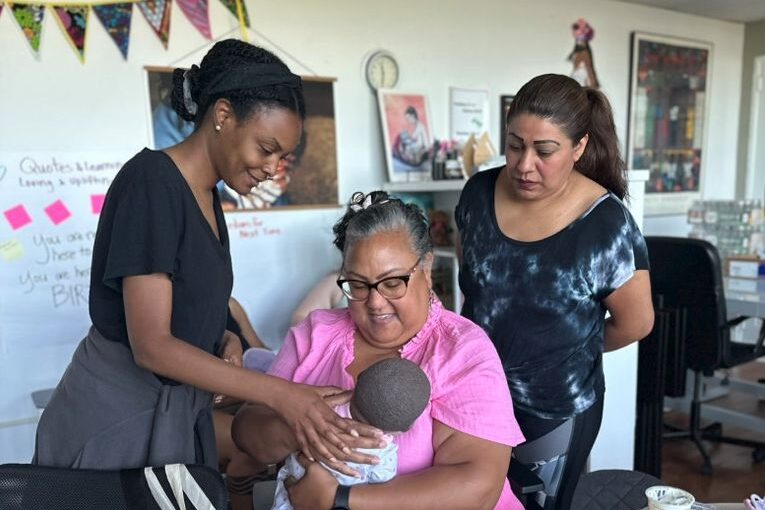
Серед отримувачів грантів – Open Arms Perinatal Services, організація, яка надає послуги вагітним матерям, включаючи послуги дольфінів, допомогу з годуванням груддю та іншу підтримку для сімей, а також Seattle Indian Health Board, медичний центр для корінних народів.

Action for Women’s Health є частиною 1 мільярдної ініціативи, орієнтованої на питання жіночого та сімейного здоров’я, яку French Gates оголосила у травні 2024 року, незабаром після її відставки з Bill & Melinda Gates Foundation. Після розлучення з Біллом Гейтсом, вона отримала 12,5 мільярда доларів для власних ініціатив.

Pivotal Ventures, незалежна компанія French Gates, здійснює контроль над цією 1 мільядною ініціативою. Lever for Change керує відкритим конкурсом.