Microsoft, Nvidia, та Anthropic об’єднуються в грантовій інвестиційній угоді

У грантовій інвестиційній угоді Microsoft, Nvidia та Anthropic оголосили про співпрацю, яка передбачає інвестиції Microsoft в Anthropic на суму 5 мільярдів доларів США. У відповідь, Anthropic зобов’язалася витратити щонайменше 30 мільярдів доларів на хмарну платформу Microsoft Azure.

Nvidia, своєю чергою, планує інвестувати до 10 мільярдів доларів у Anthropic, щоб оптимізувати моделі Claude для своїх нових чипів Grace Blackwell та Vera Rubin.

Ця угода відображає тенденцію до співпраці між великими гравцями у сфері штучного інтелекту, спрямовану на розширення можливостей та доступ до новітніх моделей ШІ. Нещодавно Microsoft переглянула свою співпрацю з OpenAI та активно впроваджує партнерство з іншими компаніями.

Anthropic наразі користується підтримкою Amazon, який планує інвестувати загалом 8 мільярдів доларів у стартап. Amazon залишається основним хмарним постачальником та партнером з навчання моделей ШІ для Anthropic.

У рамках угоди Microsoft надасть користувачам доступ до моделей Claude Sonnet 4.5, Claude Opus 4.1 та Claude Haiku 4.5 через свою платформу Foundry. Також збережеться доступ до моделей Claude у Copilot family – GitHub Copilot, Microsoft 365 Copilot та Copilot Studio.

Microsoft Halts Support for Israeli Military Unit Over Surveillance Concerns

Microsoft has taken action to cut off services for a unit within the Israel Ministry of Defense (IMOD) following a report by The Guardian detailing alleged mass surveillance of Palestinian civilians utilizing Microsoft’s Azure cloud platform. President Brad Smith announced the decision to cease and disable specific services on Thursday, citing a review that found evidence supporting The Guardian’s claims.

The company’s stance is rooted in two core principles: a longstanding prohibition against providing technology for mass surveillance of civilians and a commitment to respecting and protecting the privacy rights of its customers. Microsoft’s internal review, focused on its own business records rather than accessing customer content, uncovered evidence relating to IMOD’s consumption of Azure storage capacity in the Netherlands and the use of AI services.

The Guardian’s investigation revealed that Unit 8200, an Israeli military intelligence agency, was storing millions of Palestinian civilian phone calls. Following the publication of the report, Unit 8200 reportedly moved the data out of the Netherlands to Amazon Web Services. Microsoft’s decision follows an ongoing review and a commitment to ensuring that its services aren’t used for mass surveillance. Despite this action, Microsoft will continue providing cybersecurity services to Israel and other Middle Eastern nations.

This situation has been met with protests against Microsoft’s headquarters, led by groups like ‘No Azure for Apartheid.’ The company’s decision underscores the growing scrutiny surrounding technology companies’ role in global surveillance and human rights concerns.

Microsoft’s Innovative Cooling System: A Leap Towards 3D Chip Architectures

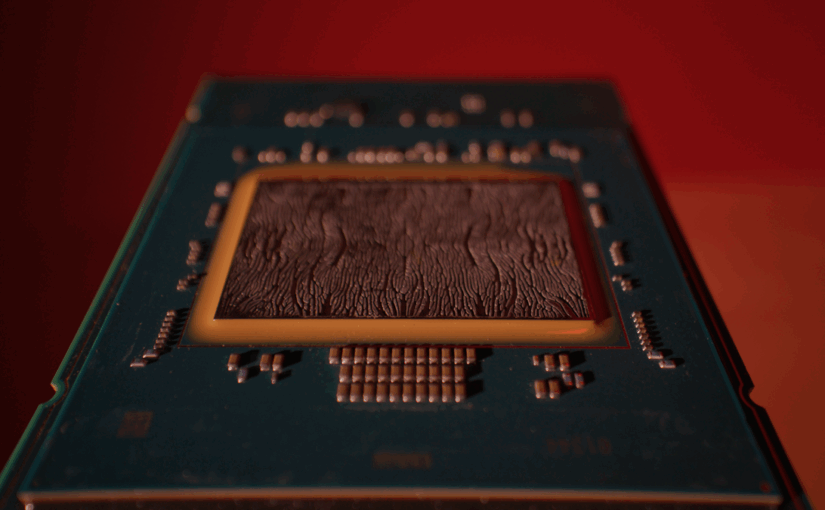
Microsoft is pioneering a revolutionary cooling system utilizing microfluidics to drastically improve the performance of its servers and future chips. This innovative approach, inspired by the vein structure of leaves and driven by AI, allows processors to operate at higher temperatures without the risk of overheating. By delivering liquid coolant directly to the hottest points within the processor via tiny channels, the system achieves up to three times greater heat removal efficiency than traditional cold plates, enabling effective overclocking. This technology is a critical step towards realizing the potential of 3D chip architectures, where layers of silicon are stacked to reduce latency, but are traditionally hampered by heat dissipation challenges.

The microfluidic system’s AI-driven customization adapts to the unique heat signatures of different workloads, optimizing cooling for maximum efficiency. Microsoft is exploring integrating this technology into its own Azure Cobalt and Maia AI accelerator chips, as well as future server generations. The goal is to address the escalating demands of AI workloads, where traditional hardware alone struggles to keep pace. Microsoft’s approach emphasizes a collaborative ecosystem, working with partners and the broader tech community to establish microfluidics as an industry standard. This strategy is pivotal for achieving breakthroughs like 3D silicon stacking, which will fundamentally reshape how data is processed and transmitted.