Palo Alto Networks Інвестує 3,3 мільярда доларів у Chronosphere – Нова Ера Обсервабельності

Cybersecurity-гігант Palo Alto Networks оголосив про придбання Chronosphere на суму 3,35 мільярда доларів у середу. Chronosphere, заснована у 2019 році, спеціалізується на розробці програмного забезпечення для обсервабельності, яке допомагає інженерним командам швидко виявляти проблеми та підтримувати роботу хмарних додатків. Palo Alto Networks вважає, що ця операція допоможе їм задовольнити величезні вимоги до даних, які створюються сучасними робочими навантаженнями на основі штучного інтелекту.

CEO Chronosphere Martin Mao та CTO Rob Skillington вперше зустрілися в районі Сіетла, працюючи в Microsoft, де вони займалися перенесенням Office у формат Office 365 на основі хмари. Обидва пізніше приєдналися до інженерних команд Uber. Штаб-квартира компанії розташована в Нью-Йорку, але Mao залишається в регіоні Сіетл, разом із кількома співробітниками Chronosphere. Команда, включаючи Mao та Skillington, приєднається до Palo Alto після завершення операції.

Chronosphere має понад 250 співробітників. Під час телефонної конференції з аналітиками, CEO Palo Alto Networks Nikesh Arora описав Chronosphere як «одне з найшвидше зростаючих програмних компаній в історії». Компанія має серед своїх клієнтів дві з найпопулярніших великих мовних моделей (LLM).

Arora зазначив, що існуючі інструменти обсервабельності не були розроблені для епохи штучного інтелекту, і повна обсервабельність для багатьох організацій стала надто дорогою. Chronosphere може забезпечити обсервабельність за одну третину вартості інших провідних рішень. Він також додав, що Chronosphere «змінив модель обсервабельності» завдяки поєднанню відкритого коду та архітектурних методів.

Оцінюючи обсервабельні та постачальників даних-пайплайнів, команда Palo Alto Networks була вражена інженерними здібностями Chronosphere. «Загалом, інженерам зазвичай занадто пишаються, щоб розповісти вам, що хтось інший хороший», — сказав Arora. «Але наша команда повернулася та сказала: «Це найкращі інженери, яких ми коли-небудь зустрічали».

Chronosphere повідомляє про понад 160 мільйонів доларів річного повторюваного доходу, який зростає у тризначних показниках, згідно з Palo Alto. Chronosphere «залишиться значною мірою незалежною» після завершення угоди наступного року. «Вони по суті є групою надзвичайно розумних інженерів і передових інженерів, а також кількома продавцями», — сказав Arora. «Ми надамо їм підтримку, представляючи правильних клієнтів у дуже цілеспрямованому ключі».

Інвесторами Chronosphere є General Atlantic; Greylock Partners; Lux Capital; Addition; Founders Fund; Spark Capital; та Glynn Capital.
AI-Powered Efficiency and Safety in Corrections

As we mark Cybersecurity Awareness Month, it’s important to recognize the opportunities and safeguards that come with emerging technologies. In the field of corrections, AI is beginning to help facilities work smarter, not harder, by supporting staff who manage complex workloads, staffing shortages, and budget constraints.

In day-to-day facility operations, that means streamlining case routing, reducing paperwork bottlenecks, and giving officers back valuable time for investigations and direct engagement. When thoughtfully designed, AI can reduce the strain on limited resources, streamline administrative processes, and help identify risks earlier. The result is a more efficient, responsive system where officers can focus on what matters most: safety, rehabilitation, and human connection.

Every meaningful technology advancement starts with listening. For correctional facilities, that means understanding the realities of those who keep operations running, from correctional officers and case managers to IT teams and administrators. Each faces distinct challenges: managing staff shortages, heavy caseloads, and time-consuming reporting requirements. When we listen to these perspectives, patterns emerge. For example, staff often cite time and paperwork as their biggest barriers, not willingness to innovate.

By engaging with officers and administrators early and often, technology partners can design tools that fit within existing workflows rather than disrupt them. Officers might identify that incident reports take hours to compile, or administrators might flag data silos that slow investigations. With that input, AI solutions can be tailored to reduce those pain points to automating reports, flagging relevant cases faster, and consolidating data for easier review. When officers see that their feedback directly shapes the tools they use, adoption and trust grow naturally.

Listening also extends beyond product design to implementation and training. Every facility has its own culture, infrastructure, and pace of change. By involving staff in testing and iteration, organizations ensure AI complements human judgment, supports compliance, and respects privacy. The goal isn’t to introduce technology for technology’s sake, but to co-create solutions that remove friction, enhance safety, and give officers back valuable time.

AI can streamline routine tasks and summarize data, duties that once required hours of manual review. Investigative workflows benefit from automated alerts, consolidated reporting, and smarter case management tools. Facilities using AI in this way often see:

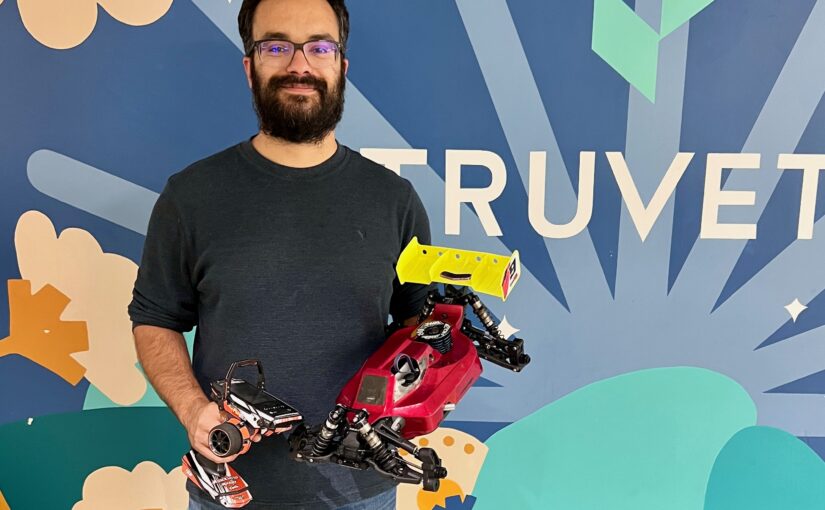
Seattle Cybersecurity Engineer Finds Speed and Stress Relief in RC Car Racing

Dan Rico, a senior security engineer at Truveta, a Seattle-based health data company, channels his passion for speed and stress relief through a surprising hobby: remote-control car racing. Growing up in New York, Rico credits his father, a Microsoft Certified technician, with sparking his interest in engineering and the need for disconnecting from work.

Rico’s passion began at age 13 when he started working at a local hobby shop, immersing himself in RC planes, helicopters, and cars. Moving to Seattle five years ago, he reignited this hobby, seeking an escape from the demanding pressures of his cybersecurity role.

Today, Rico competes in 1/10 and 1/8 scale stock cars, both nitro and electric-powered, at Die Hard RC Park in Snohomish, Washington. He’s even involved in designing and constructing race tracks and enjoys contributing to the racing community, frequently assisting other racers with their “pit crew.”

More than winning, Rico values the sense of camaraderie and the opportunity to apply skills honed in racing to his cybersecurity work. He describes the constant adjustments and problem-solving required in both fields as “incident response without actually responding to incidents.” This hobby provides a vital balance, allowing him to maintain focus and apply lessons learned to his professional life.

Interested in sharing your own out-of-office passion with GeekWire? Contact [email protected].