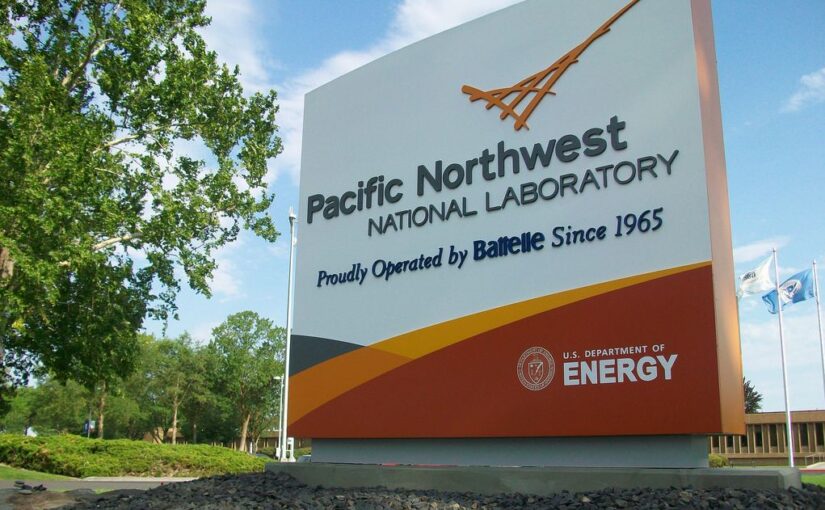
PNNL Layoffs Impact 68 Employees in Pacific Northwest

Battelle Memorial Institute, the government contractor responsible for Pacific Northwest National Laboratory (PNNL), is announcing layoffs affecting 68 employees across various sites in the Pacific Northwest, primarily in Washington state. The news was revealed through a Worker Adjustment and Retraining Notification (WARN) filing submitted to the state’s Employment Security Department. The affected positions are scheduled to conclude between November 18th and December 1st.

In the WARN letter, Battelle cited ‘unforeseen business circumstances’ as the reason for not providing 60-day notices to impacted workers. The company explained that funding uncertainties and evolving federal mission priorities led to this decision. Battelle attempted to mitigate the situation by reassigning work, reducing employee hours, and utilizing furlough status, hoping for additional funding to materialize. However, a workforce restructuring and subsequent staff reduction were deemed necessary across both research and operational areas.

Of the 68 employees impacted, 42 are based at PNNL’s main campus in Richland, Washington; three are located in Seattle; three in Oregon; and 20 are working remotely. PNNL, a 60-year-old institution managed by the U.S. Department of Energy, employed approximately 6,400 individuals last year. The laboratories conduct fundamental research in fields such as energy, chemistry, data analytics, and other scientific and technological disciplines.

These layoffs follow a previous reduction in staff announced this summer, with Battelle citing budget uncertainty. In September, the company also reduced medical benefits for retirees, as reported by the Tri-City Herald. U.S. Sen. Patty Murray, D-Wash., previously reported in February that a small number of PNNL employees were affected during the Trump administration’s initial government workforce reductions. These cuts were linked to initiatives like the Department of Government Efficiency (DOGE), previously led by Elon Musk, and executive orders related to climate change and diversity, equity, and inclusion efforts.

Affected employees held roles including national security specialist, software, mechanical, nuclear or systems engineer, cybersecurity researcher, data scientist, project manager, administrative coordinator, and other similar positions.

Starbucks Перегляне Технологічний Ландшафт з Новим Керівником Технологій

Starbucks оголосила про зміни в керівництві технологій, після того, як їхній головний технічний директор (CTO), Deb Hall Lefevre, подала заяву. Зараз інтерчарним CTO є Ningyu Chen, який раніше обіймав посаду Senior Vice President Global Experience Technology. Це відбувається на тлі масштабних скорочень персоналу та технологічних реформ, які Starbucks проводить останнім часом.

Starbucks оголосила про звільнення близько 900 не-роздрібних працівників та закриття нерентабельних магазинів, переважно в США та Канаді. Раніше компанія скоротила 1100 корпоративних співробітників у лютому.

Під керівництвом CEO Brian Niccol, який раніше очолював Chipotle, Starbucks активно впроваджує нові технологічні рішення, щоб покращити показники продажів. Це включає алгоритм для порядку замовлень, перегляд мобільного замовлення, закриття магазинів лише для отримання замовлень, новий AI-асистент та систему POS для барист, а також AI-powered систему відстеження запасів.

Deb Hall Lefevre приєдналася до Starbucks у 2022 році і раніше працювала більш ніж 16 років у McDonald’s, де була Corporate Vice President та CIO, відповідаючи за технологічну та цифрову стратегію.

Seattle’s Tech Scene Faces Uncertainty: Layoffs, Startup Opportunities, and the Rise of AI

Seattle’s tech scene is navigating a period of significant change. A recent Wall Street Journal report highlights concerning trends, including layoffs at major companies like Amazon and Microsoft, as well as broader economic challenges impacting the region. The story features a striking observation: former tech workers are applying for barista positions near Microsoft’s headquarters, reflecting a wider shift in the local economy.

Several factors contribute to this uncertainty. Decreased retail spending in tech-heavy districts, restaurant closures, a cooling housing market, and rising commercial real estate vacancies paint a picture of a region grappling with reduced demand. Furthermore, a decline in payroll and sales tax revenue has led to a projected $146 million budget deficit for the city.

Amazon CEO Andy Jassy’s prediction of workforce shrinkage due to AI efficiencies adds another layer of concern. Despite the AI boom’s positive impact on stock prices, the tech giants are cutting jobs and curbing hiring.

However, this disruption may present opportunities for entrepreneurs. Layoffs are impacting the startup ecosystem – companies like Rec Room, Glowforge, and LevelTen Energy have reduced staff. Tech community leaders are noting a stronger talent pool with less competition from larger tech firms, fueling the creation of new startups.

Investment in Pacific Northwest startups has increased, nearly doubling through the first eight months of 2024 compared to 2024, according to GeekWire’s funding tracker. While the scale of AI hiring booms may not return, Seattle’s transformation into a hub for startup creation is underway.