Залучення інвестицій у стартапі: Ключові поради в епоху штучного інтелекту

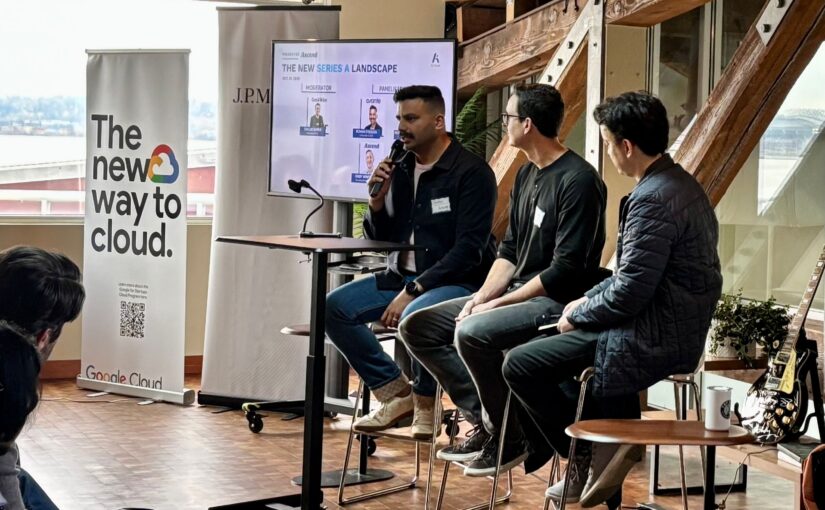
Якщо ви будуєте ранній стартап і намагаєтеся залучити інвестиції венчурного капіталу, щоб реалізувати свої великі ідеї – зосередьтеся на вирішенні конкретної проблеми, переконайтеся, що у вас сильна переконаність, і глибоко подумайте про дистрибуцію в епоху штучного інтелекту. Ці поради були поділені під час нещодавньої панельної дискусії Seattle AI Week, яку я модерував з Келланом Картером, засновуючим партнером Fuse, та Роханом Д’Соузою, генеральним директором і співзасновником Avante, стартапу з послуг з охорони здоров’я.

Пара добре знайома один з одним. Fuse взяла участь у раунді seed-фінансування Avante на 10 мільйонів доларів у пізній 2023 році, перш ніж компанія почала генерувати значний дохід. Келан Картер спочатку познайомився з Роханом Д’Соузою кілька років раніше. “Тут було так багато довіри”, – сказав Келан, віддзеркалюючи важливість побудови відносин між засновниками та інвесторами.

Назва панельної дискусії, організованої Seattle VC firm Ascend, була “The New Series A Landscape” – вказівка на зміну очікувань в епоху AI. Середній розмір раунду Series A в першій чверті цього року становив 7,9 мільйонів доларів, згідно з даними Carta. Але були й дев’ять компаній, які за підрахунками CB Insights, за підрахунками CB Insights, підняли понад 200 мільйонів доларів на своїх раундах Series A в третьому кварталі. “Варіативність для Series A зараз більше, ніж будь-коли,” – сказав Келан.

Для тих компаній, які залучають величезні раунди Series A, Келан сказав, що це про “нечесний інсайт”, який створює переконаність і відкриває двері до капіталу. “Інсайт такий очевидний, що це захоплює інвесторів і змушує їх погодитися на таку велику суму – тому що нагорода зараз така велика,” – сказав Келан.

Фінансування стартапів збільшилося до максимуму за три роки, переважно завдяки штучному інтелекту, який забезпечив 51% усього фінансування та 22% угод у третьому кварталі, згідно з даними CB Insights. Келан пожартував, що AI тепер завжди є в пітчі – навіть якщо це не AI. Для Fuse оцінка пітчу полягає у визначенні найкращого способу вирішити проблему клієнта – з чи без AI. Келан сказав, що інвестори схильні віддавати перевагу засновникам, які мають досвід у галузі та краще розуміють першочергову проблему клієнта. “У них є знання, які дають їм легітимність у розмові з клієнтом,” – сказав він.

І в світі, де AI змінює спосіб продажу програмного забезпечення, Келан сказав, що він шукає чіткої переваги дистрибуції. “Продукт не переможе”, – сказав він. “Дистрибуція переможе.” Він додав: “Ми любимо засновників, які мають досвід у галузі, які мають знання, і вони можуть змусити нас захоплено говорити про стратегію дистрибуції, яка є трохи більш вигадковою чи унікальною в епоху AI.”

Коли йдеться про обговорення AI під час пітчу, розмова буде відрізнятися залежно від того, чи ви розмовляєте з клієнтом, чи з інвестором, згідно з Роханом. Він сказав, що клієнти можуть мати “FOMO” (страх пропустити) у зв’язку з AI, але, швидше за все, вони насправді мають “FOMU” (страх зробити помилку). Рохан сказав, що це завдання засновника – допомогти клієнтам зрозуміти, що це про “відкриття нового способу продуктивності”.

Для інвесторів Рохан сказав, що важливо показати, як AI покращує рентабельність, наприклад, прискорює залучення та онбординг клієнтів. Avante офіційно запустилася цього року, масштабуючи свій програмний продукт, який має допомогти компаніям зменшити навантаження на адміністративні функції з управління персоналом і знизити загальні витрати на програмні продукти.

Коли він думає про залучення раунду Series A фінансування, Д’Соуза сказав, що одна перевага – отримати свіжу готівку – це сигнал для покупців, якій можуть бути обережні на ранній стадії, 20-осіб, заснованої в Тихоокеанському регіоні. “Тут є трохи такого сприйняття, що, що станеться, якщо ці хлопці підуть? Він сказав: “Отже, як засновник, я кажу: ОК, чи дійсно нам варто почати жорстко домагатися в більшму грошей на балансі? Щоб надіслати чітке повідомлення про те, що у нас є ще багато газу в баку, навіть якщо нам не надто потрібно.”

Щодо конкурентів, Д’Соуза сказав, що засновникам слід зосереджуватися не на схожих стартапах, а на магістральних. “Чим вони відкривають функціональні можливості? І як ви можете зробити це набагато швидше?” – сказав Келан. Келан відзначив, що Fuse залишається осторонь компаній, які можуть безпосередньо конкурувати з Microsoft, Amazon, OpenAI або Anthropic. “Якщо ми думаємо, що є натяк на те, що вони випустять продукт, і наступним кроком є конкуренція з безкоштовним або з’єднанням – це проблема,” – сказав Келан.

Рохан, колишній головний продуктний менеджер в компанії з автоматизації охорони здоров’я Olive AI, наголосив на важливості прозорості з боку інвесторів. “Будьте дуже чіткими щодо ваших часових рамок”, – сказав він. “Якщо вам потрібно три або шість місяців, щоб побудувати ядро вашого продукту, будьте дуже прозорими щодо цього.”

Д’Соуза сказав, що Avante навмисно не планував повторюваної оплати до 2024 року, запустив програму для ранніх користувачів, яка не була безкоштовною, а потім вийшов із приховування в квітні 2025 року та перетворив пілоти на багаторічні угоди. “Ми створили трохи дефіциту та FOMO навколо цієї концепції програми для ранніх користувачів,” – сказав він.

Д’Соуза також порадив своїм колегам-засновникам зосередитися на “основній справі, яку ви робите на 100x краще.”
Seattle’s Hardware Heartbreak: A Recurring Pattern of High Hopes and Hard Landings

Editor’s Note: GeekWire co-founders Todd Bishop and John Cook created this column by recording themselves discussing the topic, asking AI to draft a piece based on their conversation, and then reviewing and editing the copy before publishing. Listen to the raw audio below.

If we look out GeekWire’s office window right now, down at Seattle’s Burke-Gilman Trail, we can practically guarantee one thing: if we wait 5 minutes, at least one Rad Power Bike will zip past. Probably more. They are ubiquitous — the “Tesla of e-bikes” that seemed to redefine urban transport during the pandemic.

But that physical prominence masks a brutal business reality. In the last few weeks, the Seattle tech scene has been rocked by two stories that feel like different verses of the same sad song, as documented by GeekWire reporter Kurt Schlosser. First, Glowforge — the maker of high-end 3D laser printers — went into receivership and was restructured. Then came the news that Rad Power Bikes might be forced to close entirely.

We’ve each covered the Seattle region’s tech ecosystem for around 25 years, and if there is one enduring truth in the Pacific Northwest, it is that hardware is not only hard, as the old saying goes, but for some reason it seems harder here.

It is naturally harder to manipulate atoms than digits. If Windows has a bug, Microsoft pushes an update. If a Rad Power Bike has a busted tire or a faulty component, you can’t fix it with a line of code. You need a supply chain, a mechanic, and a physical presence.

But the struggles of Rad and Glowforge go beyond the physical manufacturing challenges. They are victims of two specific traps: the quirks of the pandemic and the curse of too much capital.

Both companies were born before the pandemic, but they boomed during it. When the world locked down, the thesis for both companies looked invincible. We were all sitting at home in our PJs, desperate for a hobby — so why not buy a Glowforge and laser-print trinkets? We were wary of public transit and looking for recreation — so why not buy an e-bike?

Many tech companies, including giants like Amazon and Zoom, bet big that these behavioral changes were permanent. They weren’t. And we are seeing some of the indigestion of that period play out with massive layoffs at tech companies that got too big, too fast during the pandemic years. The world went back to normal, or at least found a new normal, but in the meantime these companies had scaled for a reality that no longer exists.

Then there is the money. In 2021, Rad Power Bikes raised over $300 million. When you raise that kind of cash, you are no longer allowed to be a nice, profitable niche business. You have to be a platform. You have to be a world-changer. Rad tried to build a massive ecosystem, including direct-to-consumer retail stores and mobile service vans to fix bikes in people’s driveways.

Building a physical service network is agonizingly expensive. Had they raised less and stayed focused on being a great bike maker, we might be having a different conversation. But venture capital demands a “Tesla-sized” outcome, and that pressure can crush a consumer hardware company.

History tells us we shouldn’t be surprised. Seattle has a painful relationship with consumer hardware. We’ve got one word for you: Zune. Or how about the Fire Phone? Or Vicis, the high-tech football helmet maker that crashed and burned. For those with long memories, the current situation rhymes with the saga of Terabeam in the early 2000s. They raised over $500 million to beam internet data through the air using lasers. It was a B2B play, not consumer, but the pattern was identical: massive hype, massive capital, and a technology that was difficult to deploy in the real world. They eventually sold for a fraction of what they raised.

We still love seeing those bikes on the Burke-Gilman. But in this economy, with inflation squeezing discretionary spending, $1,500 e-bikes and $4,000 laser printers are a tough sell.

Seattle may be the cloud capital of the world, but when it comes to consumer hardware, we’re still learning that you can’t just download a profit margin.

Siddhartha Srinivasa Bets on Seattle’s Robotics Future

Siddhartha “Sidd” Srinivasa, a robotics pioneer with a career spanning Berkshire Grey, Amazon, and Cruise, is now joining Madrona Venture Group as a venture partner. Srinivasa believes Seattle is poised to become a global leader in AI and robotics, driven by advancements in hardware, compute power, and foundational models. However, he highlights a key challenge: the ‘last mile problem’ – robots can handle basic tasks, but scaling to complex, real-world applications remains difficult. Srinivasa emphasizes the need for breakthroughs in generalization and adaptability in robots, suggesting alternative form factors beyond the humanoid. He identifies sectors like fulfillment, computational agriculture, and commissary kitchens as potential disruptors. Srinivasa stresses the importance of a ‘pull’ – genuine customer need – for robotics, rather than simply ‘pushing’ the technology. He also cautions against applying the software model to robotics, acknowledging the unique challenges of maintaining and servicing physical robots. Srinivasa underscores the necessity of workforce re-skilling to mitigate potential job displacement and positions Seattle as a uniquely supportive ecosystem for robotics innovation, capitalizing on strong university partnerships and a thriving venture capital landscape.